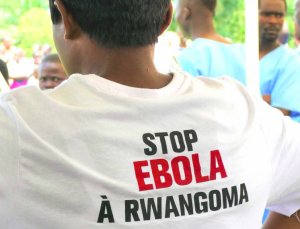
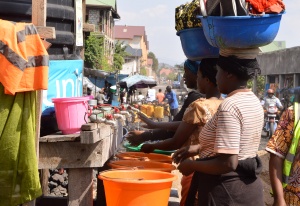
TWB has been supporting humanitarian partners in eastern DRC since early 2019. This began with assessments of language in the Ebola response in North Kivu.
Effective engagement with communities is vital to communicate about health risks and ensure that people know how to keep themselves and their families safe. A lack of clear two-way communication in languages and formats that people can understand makes people affected by crisis more vulnerable. This applies especially to women, older people, and speakers of marginalized languages, often disadvantaged by limited access to education. TWB works with responders to develop tools and language capacity to provide communities with better access to information and services that meet their needs.
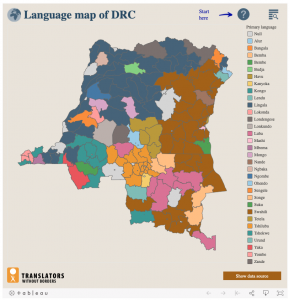
The Democratic Republic of Congo is one of the most linguistically diverse countries in the world, with over 200 languages spoken. We believe that everyone should have access to information, rights and services free from language barriers.
The DRC continues to face serious health challenges. The first case of COVID-19 was detected in March 2020 and the 11th Ebola outbreak announced in Equateur in June 2020. The TWB team will continue to investigate language barriers in affected areas and support responders to engage more effectively with people at risk. We will work with partners on health programs and across the wider humanitarian response, to ensure that language issues are better understood and addressed.
To learn more about TWB’s work in DRC, contact drc@translatorswithoutborders.org.
CALL FOR VOLUNTEER TRANSLATORS
We are looking for translators from French and English into the following languages:
Tshiluba
Kiluba
Lingala
Congolese Swahili
We are also interested in building capacity in other DRC languages including Hema, Lendu, Shi and other DRC languages. Apply here
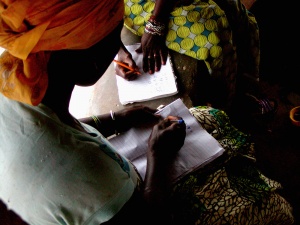
"In medicine they have very many terms... If you have never been to school, you won’t understand a thing and you get confused. It’s a reason why people no longer go for treatment.”
-Female resident, Mandrandele, Beni
Program updates and resources
Blog: Lessons still to be learned from recent Ebola outbreaks in DRC
Ebola continues to threaten communities in the Democratic Republic of Congo (DRC). In order to be prepared for future outbreaks, responders need to learn from previous responses and understand specific language and communication needs in affected communities.
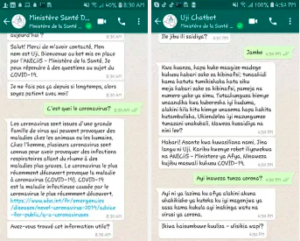
Blog: Conversations with chatbots: helping people in the DRC access multilingual COVID-19 information
It’s only by prioritizing two-way communication tools that we can create more equitable communication and access to the information people need to stay healthy and informed.
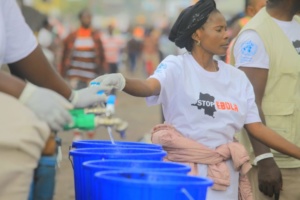
Blog: Communicating in the languages of affected people is a priority for the latest Ebola response plan, and beyond
In a country where more than 200 languages are spoken, prioritizing communication in the languages of affected people is one key lesson to help address the next emergency faster.
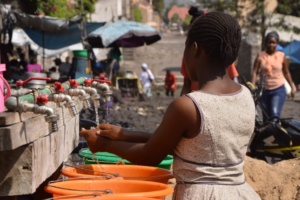
Blog: Language support can help earn people’s trust in the Ebola response
No matter how effective prevention measures and treatment are, if people don’t trust or understand them, they will not use them. Communication in the languages of people at risk can help ensure comprehension and establish trust.
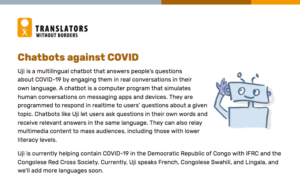
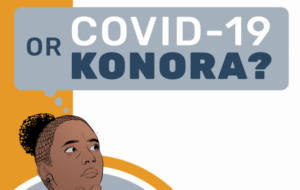
Language guidance for communicating about COVID-19
In crises like the COVID-19 pandemic it is essential to communicate in language that is clear, accurate, and accessible. The following guides help responders communicate effectively about COVID-19.
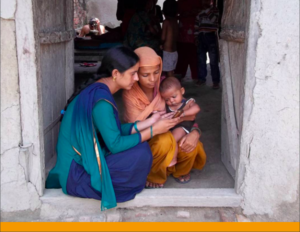
Field guide to humanitarian interpreting and cultural mediation (French)
A guide to support humanitarian field managers, interpreters and cultural mediators.
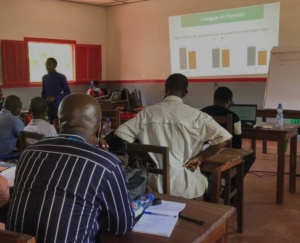
TWB's training of public health intervention teams in DRC
Our workshops encourage managers to incorporate a language sensitive approach into all programs.
Terminology in Health Interventions
The choice of terminology can create confusion, mistrust and fear. A guide to choosing the right words to talk about complex and sensitive concepts in health.
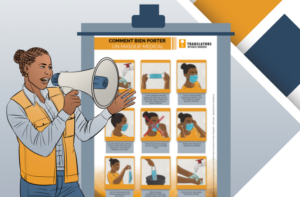
Brief: Information gaps on COVID-19 in eastern DRC
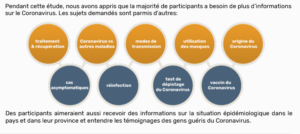
Staff and communities in eastern DRC need information on COVID-19 in plain language and in pictorial and audio formats to fill information gaps and to prevent confusion.
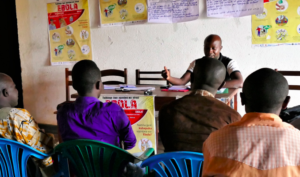
Brief: The Language of Grief
Information and communication around death and bereavement needs to be sensitive, appropriate and in a language that people understand.
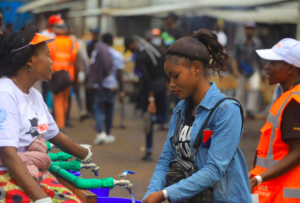
Brief: The Language Factor
Lessons learned on adapting to the language needs of communities in the 10th Ebola epidemic in the Democratic Republic of Congo.
The challenges of translation into Congolese Swahili
An exploration of the importance of a localized Swahili in Congo and the importance of machine translation.
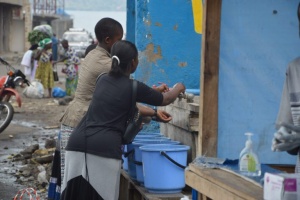
How to talk about health and Ebola
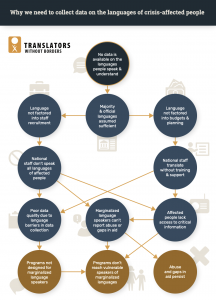
Why we need to collect data on the languages of crisis-affected people (PDF)